A Day Without Soccer: A Designer's Practical Review
The First Glance: A Design That's Playful, Not Busy
When I first opened the A Day Without Soccer, Just Kidding design, I immediately smiled. It's the kind of design that tells you exactly what it's about—the humor is built right into the typography and the playful graphic layout. As someone who stitches dozens of designs a month for clients, my first filter is always mood. This one creates a sense of lighthearted, fun-loving camaraderie. It feels like it belongs on something worn, gifted, or displayed with pride, not just as decoration.
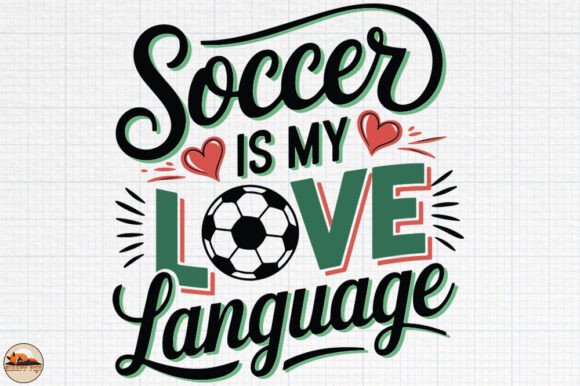
The layout is straightforward, with clean, bold lettering and a simple, well-shaped graphic element. This is a significant plus for embroidery. We're not dealing with overly fine details or minuscule text that will blur into a stitch-dense mush. The detail level here is ideal: it's graphic enough to be recognizable, but simplified enough to translate beautifully into stitches. It naturally belongs on items meant for active, casual, or gift-oriented use.
Putting It on a Project: Where This Design Shines
Let’s walk through a real scenario. Imagine you’re preparing a custom order for a youth soccer coach’s birthday—a high-quality, cotton blend sweatshirt. You hooped it, chose your threads, and loaded this embroidery file. Here’s what I’d expect based on the design’s structure.
The bold, clear lettering would stitch out with excellent clarity, especially using a satin stitch for the main text. The supporting graphic element, with its open areas, wouldn’t become a dense, stiff patch of fill stitches that could make the fabric pucker. This makes it a strong candidate for a wide range of custom apparel: from adult-sized t-shirts and hoodies to kids’ jerseys. It would also be a charming, large-scale centerpiece on a tote bag for carrying gear to the field.
I also picture it working wonderfully for personalized gifts beyond apparel. Stitched onto a cotton towel or a sturdy apron for the team parent who hosts pasta nights, it becomes a functional, sentimental item. As a small shop owner, you could easily feature it on a embroidered patch, allowing customers to add it to caps or backpacks. For a craft business focusing on nursery or baby items, a simplified version (maybe just the graphic) on a baby blanket would be adorable, speaking to a family’s passion.
The provided file formats—PNG, SVG, PDF, EPS—cover the bases for both digital previews and machine work. The high-resolution PNG is perfect for creating printable mockups for your Etsy listings or website, helping customers visualize the finished product on a mug or poster. This is crucial for buyer engagement. The SVG and EPS files are typically the go-to for scalable vector work, which is essential for adjusting size without quality loss before sending it to the machine.
Careful Application: When to Proceed with Caution
No design is universally perfect, and a practical review must highlight where thoughtful application is needed. While the A Day Without Soccer design is generally forgiving, here are my notes for real-life embroidery situations.
First, small hoop sizes. If you want to shrink this down for a child’s hat or the corner of a tea towel, pay close attention to the lettering. Even bold text can become cramped. You must test on scrap fabric first to ensure the “Just Kidding” secondary text remains legible and doesn’t merge into a blob. Similarly, on highly textured fabrics like a waffle-knit hoodie or a thick blanket, the open areas of the graphic might lose definition.
Dark fabric requires a deliberate thread strategy. The design, as presented, likely assumes a light background. On a black or navy garment, you’d need to plan for possibly using a bright white or a very light color for the main lettering to maintain that visual punch and stitching clarity. This directly affects the product’s visual appeal and perceived value—a muddy contrast looks amateur.
Also, consider curved surfaces like caps. The design has a horizontal layout. Adapting it for the curved front of a cap might require slight re-proportioning in your software to prevent distortion at the edges. And for items that need frequent washing, like kids’ clothing or kitchen towels, the stitch density in the main graphic element should be checked. Too dense, and it becomes a rigid, uncomfortable spot; too loose, and it might snag. Always use a proper stabilizer matched to the fabric type to preserve the design’s integrity through wear.
The Impact Beyond the Stitches: Value & Trust
Using a design like this in your craft business or for commercial embroidery projects goes beyond just the technical stitch-out. How does it affect the finished product’s story?
This design has high giftability and recognition. It speaks to a specific, passionate community. A customer receiving an embroidered pillow cover or sweatshirt with this on it isn’t just getting a generic motif; they’re getting a symbol of their hobby or their child’s passion. That emotional connection boosts the perceived value of your handmade product. For an Etsy seller, this means your listing can tell a stronger story, increasing buyer engagement.
From a professional standpoint, a clean, well-executed stitch-out of this design conveys trust. It shows you, the maker, understood how to translate the graphic into a quality physical item. This builds customer trust for future orders. For brand consistency, if your shop focuses on sports-themed or humorous gifts, this design fits a cohesive collection perfectly, allowing you to offer a curated line of merchandise.
Essential Designer Notes Before You Hoop
Before you commit this to a client’s garment or your own small shop merchandise, run through this quick checklist. These steps separate a successful project from a frustrating one.
- Always test on scrap fabric first. Use fabric similar to your final project—test both a light and a dark scrap to check thread color contrast.
- Review the stitch density in your embroidery software if possible. Look for any unusually dense areas, especially in the graphic element, that might need tweaking for your specific fabric.
- Confirm your hoop size is appropriate for the desired final size. Don’t force a large design into a tiny hoop; resize it digitally first for best results.
- Inspect the small details. Zoom in on the file and check the corners and connections in the graphic. Ensure they are clean and won’t create jump stitch nightmares.
- For digital sellers creating mockups, test the design in black and white previews as well to ensure it holds its form without color dependency.
- Use proper stabilizer. This is non-negotiable for professional results, especially on stretchy or thin fabrics.
- Confirm licensing. The product description doesn’t specify license terms. Before selling finished items or using the file for commercial embroidery projects, you must verify the license allows for that use. Never assume.
Ultimately, the A Day Without Soccer, Just Kidding design is a solid, fun graphic asset. Its strength lies in its clear communication and embroidery-friendly layout. With the practical considerations in mind—fabric choice, size adjustment, and licensing—it can become a standout element in your lineup of personalized gifts and custom apparel, bringing a smile both during the stitch-out and when the final product is delivered.