A Hockey Design Built for Strong Embroidery Projects
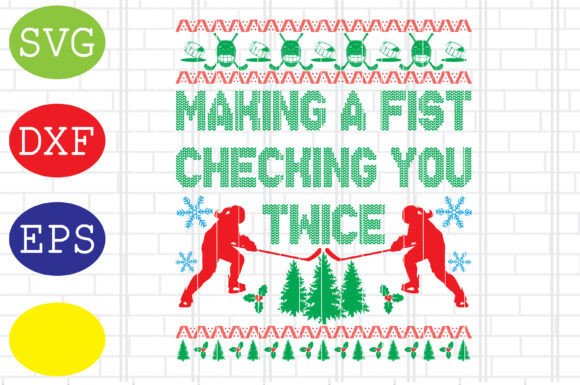
When I first loaded the Making a Fist Checking You Twice Hockey file, my designer’s eye immediately recognized its potential. This isn’t a delicate, ornate piece; it’s a bold, assertive graphic with a clear, sporty personality. The clenched fist motif combined with hockey imagery creates a mood of strength, playfulness, and team spirit. It feels ready to be stitched onto something substantial, something that can carry its energetic weight.
The Perfect Project for This Punchy Design
In my workshop, I envisioned this embroidery design applied to a custom sweatshirt for a youth hockey coach. It’s exactly the kind of graphic that resonates in that environment—a gift that’s both personal and full of character. But its use extends far beyond apparel. I mentally sketched it out on a sturdy canvas tote bag, a piece that would become a favorite gym bag or gear carrier. The clean, graphic lines also make it a fantastic candidate for a embroidered patch, perfect for customizing a backpack or a team blanket. For small business owners, especially those in crafts and graphics, this design translates effortlessly into digital product previews and printable mockups for Etsy listings or small shop product pages, selling the vision before the stitch is even made.
Where Its Visual Strength Translates to Stitching Success
On a real project, like that coach’s sweatshirt, the bold shapes promise good stitching clarity. The larger elements, like the fist and hockey sticks, will hold up well with satin stitch borders and fill stitch areas, creating a professional, crisp look that enhances product value. This isn’t a fussy design; it’s built for impact. When a customer sees this on a finished handmade product, they instantly get the theme—it’s recognizable and engaging. That direct communication builds customer trust because the delivered item matches the promised graphic perfectly. For a personalized gift, it’s a winner; it feels specific and thoughtfully chosen.
Practical Considerations for a Smooth Stitch Out
While the design is strong, its application requires some practical thought. The text, “Checking You Twice,” with its smaller lettering, is the area that demands attention. On a curved surface like a cap, or on a textured fabric like some sweatshirts, those details could lose definition if the hoop size is too small or the stabilizer isn’t robust. I wouldn’t recommend it on very thin or stretchy fabric without excellent stabilization, as the density in the fist area could pull or distort. For dark fabric, a careful thread color contrast plan is essential—bright, opaque whites or vibrant colors will be key to maintaining its punchy mood.
Designer Notes for Your Next Embroidery Project
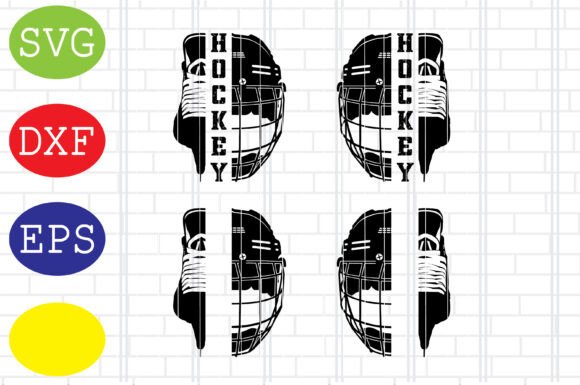
Before committing this to a client’s item or your own craft business merchandise, run a test. Stitch it out on scrap fabric first, preferably a similar weight to your final project. This lets you inspect the small details, review the stitch density, and confirm your chosen hoop size works. Check how it looks in both light and dark fabric backgrounds—sometimes a design feels different. Always use a proper stabilizer for the substrate; this design deserves a clean finish. Crucially, as this is a digital embroidery file, confirm its licensing terms before using it for commercial embroidery projects or selling finished items. The provided bundle of SVG, DXF, JPG, and EPS files offers flexibility for different machines and software, but understanding the commercial use permissions is your responsibility.
Elevating Your Finished Product with This Graphic
Ultimately, the Making a Fist Checking You Twice Hockey design succeeds because it knows what it is. It’s not trying to be everything; it’s a focused, sporty graphic that, when embroidered well, adds significant visual appeal and professionalism to a product. It boosts brand consistency for a shop specializing in sports themes or personalized team gear. Its giftability is high for holidays, birthdays, or season celebrations. For the maker, it’s a reliable design asset—one that you can confidently stitch onto a baby item like a jersey (with careful fabric choice), a kitchen towel for a hockey-loving home, or a pillow cover for a dorm room. It makes the transition from digital graphics file to tactile, embroidered project feel natural and rewarding, which is exactly what we look for in a design meant for real-world use.