Evaluating Proud Basketball Dad for Embroidered Projects
When a digital embroidery file lands in my inbox, my first step is always to imagine it not as pixels on a screen, but as stitches on fabric. That’s the real test. Today, I’m considering ‘Proud Basketball Dad, Sublimation PNG’ for a handful of upcoming projects, and from the moment I opened the PNG, it struck a clear chord: this is a design built for heartwarming gifts and personal, family-focused merchandise.
The Instant Mood: Familial Pride and Sporty Celebration
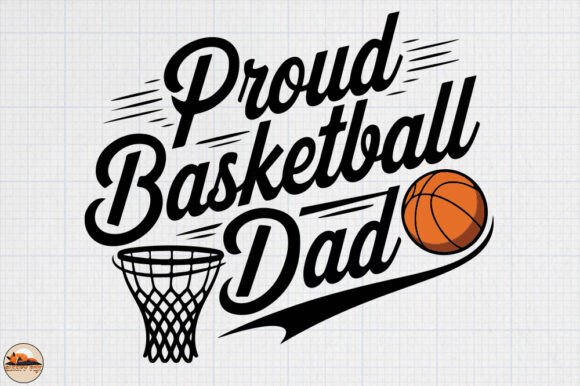
The layout feels confident and celebratory. The central basketball element acts as a strong, graphic anchor, while the text has a clean, almost trophy-like presentation. This isn’t a subtle, minimalist design—it’s meant to be seen and enjoyed. The personality is straightforward: proud, supportive, and a little playful. It naturally belongs to projects that celebrate a relationship, like a Father’s Day sweatshirt, a custom embroidered cap for a coach, or a personalized tote bag for a dad heading to weekend games.
Where This Design Shines in Real Application
Let’s picture a specific scenario: I’m preparing a custom embroidered hoodie for a client who wants a gift for her husband. The ‘Proud Basketball Dad’ concept is perfect. I’d likely use a medium to large hoop to preserve the design’s scale and clarity. On a cotton-polyester blend sweatshirt, using satin stitches for the bold outlines and text, with fill stitches for the basketball’s interior, this design would pop with excellent stitch definition. The high-resolution source files promise good detail translation.
Beyond apparel, this design’s clear, bold shapes make it a fantastic candidate for items like a sturdy canvas tote bag—a practical, everyday piece that carries the sentiment. As an embroidered patch, it could be applied to a baby’s blanket for a sport-loving new father, or even a kitchen towel in a family home. For holiday gifts or boutique merchandise, like a simple embroidered pillow cover, it offers a recognizable, emotive theme that customers connect with immediately, boosting the product’s giftability and perceived value.
Navigating the Practical Considerations
While the design’s bold elements are a strength, they also require thoughtful application. On small hoop sizes, the lettering could lose clarity if not scaled carefully. I’d be cautious on highly textured or stretchy fabrics, like certain knit sweaters, where the dense stitch areas might distort or pucker without the correct stabilizer. Thin fabrics could also struggle with the design’s visual weight.
Embroidering on dark fabric is always a planning stage. This design, with its likely use of lighter thread colors for the text and ball, would need a strong contrast plan—perhaps a lighter fill stitch background for the basketball on a dark garment. The tiny details in the ball’s lines and the smaller text serifs need sharp digitization; testing on scrap fabric first is non-negotiable here to inspect stitch density and thread coverage.
From Digital File to Trusted Finished Product
How does this translate for a small business owner? Using a high-quality embroidery file like this on your handmade products directly affects customer trust. A clean, professional stitch outcome makes an item feel crafted, not just printed. For an Etsy seller offering custom baby embroidery or personalized caps, this design adds to brand consistency if you focus on family-centric themes. The commercial viability is clear, but the crucial step is always confirming the provided file’s licensing terms before selling finished items.
The design assets provided—PNG, EPS, SVG, PDF—are invaluable for creating printable mockups for your shop listings or for digital product previews if you’re a seller of the embroidery files themselves. They help buyers visualize the final embroidered product on a mug, hoodie, or t-shirt, driving engagement.
Embroidery Designer Notes for a Smooth Project
Before hooping up your good fabric, run a test. Use scrap material similar to your final product. Check thread color contrast against your background fabric—sometimes a digital preview on a white screen doesn’t match real cloth. Review the stitch density in your embroidery machine software; very dense areas might need adjustment for certain fabrics to avoid stiffness.
For curved surfaces like caps, assess how the circular basketball element will orient. Always use a proper stabilizer matched to your fabric type; it’s the foundation of a clean result. I often test designs in simple black and white thread mockups on my machine to see the form without color influence. Compare how it might look on both light and dark backgrounds; this design’s appeal is broad, but the execution will differ.
Finally, understand the design’s scope. It’s ideal for custom apparel, embroidered patches, and home decor gifts. Its strength is its emotional resonance. In the Crafts and Graphics world, a file like this isn’t just a graphic; it’s a ready-made concept for a meaningful, stitched product that tells a story—the story of a proud basketball dad.