A Gardening Graphic Designed to Grow Your Projects
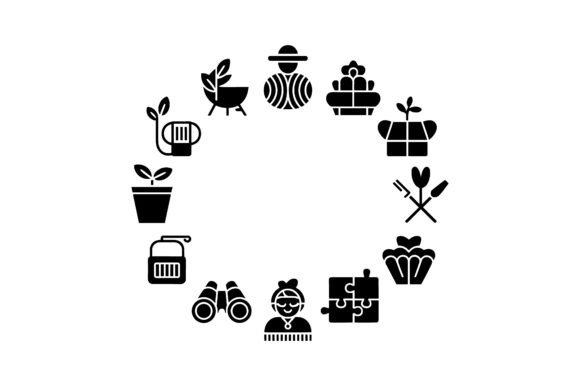
Before I hooped up any fabric, I spent a good while just looking at this Gardening Houseplant Line Art Graphic. It’s a circle, but it feels organic. The layout isn’t rigid; it’s a gentle arrangement of tools and leafy friends that whispers “happy hobby” rather than shouts “instruction manual.” That’s my first impression. This design has a soft, modern personality. It isn’t overly rustic or clinical. That mood makes it feel immediately giftable and versatile for a maker’s market.
Where This Graphic Naturally Blooms in Embroidery
I pictured it on a canvas tote bag first. That’s a classic home for a design like this. The circular composition sits beautifully as a central feature, and the line-art style, when translated into stitches, would give a clean, graphic look that elevates a simple bag. It feels like something a customer would spot at a craft fair and immediately think, “That’s for my friend who loves her balcony garden,” or “That would be perfect for my own gardening supplies.”
But its real strength is in its adaptability. This isn’t just a tote-bag graphic. I considered it for a relaxed-fit sweatshirt—the kind of apparel people wear for comfort. The design’s friendly, hobby-centric theme aligns perfectly with that casual vibe. It would also be lovely on a tea towel or the corner of a pillow cover for nursery or kitchen decor, adding a touch of handmade charm without being overwhelming. For small business owners, especially those on Etsy selling handmade, personalized gifts, this graphic is a ready-made asset. It could anchor a product line: the same design on aprons, caps, and simple patches, creating a cohesive brand look around the gardening theme.
The Practical Stitching Considerations
Moving from “where” to “how,” my designer mindset shifts to the machine. Line art can be deceptively tricky. The charm here is in the details—the small leaves, the tool handles. In a real embroidery situation, stitch density is key. Too dense, and those delicate lines will become thick and lose their graphic quality; too sparse, and they might not hold up on fabric like a textured towel or a stretchy sweatshirt.
This is where testing on scrap fabric is non-negotiable. Use the same fabric and stabilizer you plan for the final project. Hoop a piece of that dark denim for the tote bag or that light cotton for the baby blanket first. Check how the smallest elements, like the tiny plant details, come out. Do they stitch clearly, or do they blur into a fill? That test run tells you everything about the final product’s clarity and professional presentation.
Thread color contrast is another silent hero. On light backgrounds, a classic forest green or charcoal would make this graphic pop. On dark fabrics, you might need to pivot to a cream or a soft white to maintain that line-art visibility. It’s worth creating simple black-and-white digital mockups, or even stitching two test samples on light and dark scraps, to see the difference. This extra step directly affects customer engagement—a crisp, clear design looks valuable and trustworthy.
Projects That Require a Little Extra Care
While versatile, there are places where I’d approach this Gardening Houseplant Line Art Graphic with careful planning. Very small hoop sizes could compromise the design’s integrity. Squeezing that circular arrangement onto a tiny baby bib might mean losing the recognisable detail of the tools, reducing it to just a botanical blur.
Similarly, highly textured fabrics or curved surfaces like caps demand attention. The design’s continuous lines might need specific stabilizer strategies to prevent puckering on a cap’s curve. And for items destined for frequent washing, like kitchen towels or everyday sweatshirts, you’d want to ensure your test stitch sample holds up after a few washes—the longevity of the embroidery affects both giftability and customer satisfaction for a small shop product.
For commercial embroidery projects or selling finished items, the foundational step is always confirming the licensing. Knowing whether the embroidery file is for personal use, commercial use, or both is crucial before it goes into any client’s project or onto your Etsy listing. It’s the first thing I check, protecting both my business and the integrity of the work.
Final Thoughts From the Hoop
This Gardening Houseplant Line Art Graphic is more than a digital file. It’s a potential centerpiece for a wide range of projects. Its appeal lies in that universal, joyful theme—it speaks to plant parents, hobbyists, and gift-givers. From a professional standpoint, its success in a real embroidery project hinges on that practical groundwork: testing, contrasting, and choosing the right fabric home.
When stitched well, it adds a layer of handmade professionalism and brand consistency. It turns a plain tote into a boutique product, a simple sweatshirt into a personalized gift. For the maker, it’s a design asset that, with careful application, can grow into many beautiful finished products. My advice is to see it as a starting point. Hoop it, test it, and let it inspire where it fits best in your own craft business or creative projects.