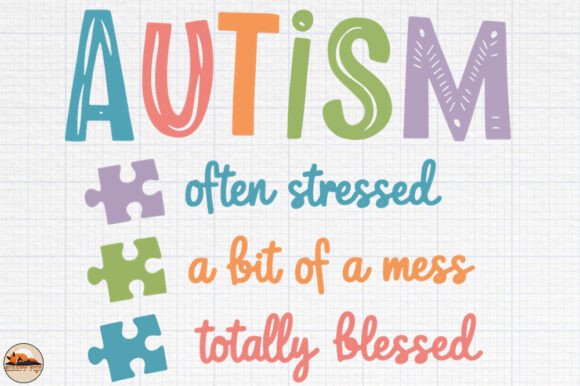
Autism Stressed Mess Blessed Embroidery Design Review
When a new design lands on my screen, I immediately start thinking about how it will translate from pixels to stitches. The Autism Stressed Mess Blessed shirt design, a digital graphic file categorized under Crafts and Graphics, presents a compelling message with a specific visual personality. This isn't just a file; it's a potential project waiting for the right fabric, thread, and purpose.
The First Impression: Warm, Honest, and Relatable
The design's core message—"Autism Often Stressed a Bit of a Mess Totally Blessed"—creates an immediate mood of authentic warmth and relatability. The layout suggests a casual, handwritten-style flow, which feels personal and approachable. This isn't a sterile, formal statement; it's a conversation starter. For embroidery, this personality translates beautifully into projects meant for connection, like a custom sweatshirt for a parent or a thoughtful tote bag for a therapist or teacher.
The level of detail, based on the provided high-resolution PNG at 4500×5400 pixels, indicates it's built for clarity. This is crucial for embroidery, where small, overly intricate text can become a blur of thread. The design appears to have a balanced weight, meaning the lettering shouldn't be too thin to vanish or too thick to become a dense, stiff patch on softer fabrics.
Where This Design Finds Its Home: Real Project Scenarios
Imagine preparing a custom embroidered gift for a friend whose family is navigating the beautiful complexity of autism. This design wouldn't shout; it would hug. I picture it on a soft, high-quality cotton sweatshirt, the stitches sitting comfortably on the left chest area. The message is personal enough for a keepsake but also public enough to foster understanding and solidarity.
For small business owners and Etsy sellers, this design opens doors to specific, meaningful product lines. It could become a centerpiece for a boutique's "support and awareness" collection, moving beyond basic logos. An embroidered patch version could be applied to canvas bags, creating a reusable statement piece. For baby items, like a blanket or a simple knit hat, scaling the design appropriately would turn it into a gentle, affirming decor. The key is aligning the product with the message's intimate and supportive tone.
Commercial and Personal Use Considerations
The inclusion of multiple file formats—SVG, PDF, EPS, and PNG—is a significant practical advantage. The SVG and EPS files are typically ideal for scaling and manipulation in vector-based software, which is essential for adjusting size for different hoop sizes before stitching. The high-res PNG is perfect for creating printable mockups for your online shop listings, allowing customers to visualize the finished product on a tee or apron.
However, a crucial note: these file formats are graphics files. They are not specifically machine embroidery files like .PES or .DST. This means you, as the embroiderer, will likely need to digitize this graphic into an actual embroidery file format compatible with your machine. This process involves setting stitch types (like satin stitch for text, fill stitches for any backgrounds), stitch density, and underlay. Always confirm the licensing terms of the original design for this kind of commercial conversion and use before selling finished items.
Practical Embroidery Performance and Points of Care
In real-life stitching, the success of this design hinges on its translation to thread. The "handwritten" style implies curves and varying letter heights. On curved surfaces like caps, this flow can look fantastic, but it requires careful hooping and stabilizer choice to prevent distortion. On textured fabrics like a canvas tote, the stitches will grip well, but a denser stabilizer might be needed to keep the text crisp.
There are areas where you should proceed with caution. If the design includes very tiny decorative accents or extremely thin lines in the lettering, they might not stitch out cleanly on thinner or stretchy fabrics like standard t-shirts. Using a cutaway stabilizer is often wise here. For dark fabric, the thread color contrast is paramount—a white or light-colored satin stitch will make the message pop, but test the chosen colors on a scrap first to ensure readability.
Always, always test the design on scrap fabric first. This step reveals everything: whether the stitch density you've set in your digitization is too heavy for lightweight apparel, if small details like the dot of an "i" get lost, and how the overall size feels in your chosen hoop. Compare it in both light and dark fabric mockups mentally to gauge its versatility.
The Impact on Value and Customer Connection
Using a design like this on a handmade product elevates it from a generic item to a personalized narrative. For a customer, an embroidered pillow cover or kitchen towel with this message isn't just decor; it's an acknowledgment. This directly boosts the product's perceived value and giftability. For your craft business or Etsy shop, it demonstrates an understanding of niche communities, building deeper trust and engagement.
Professionally, a clean, well-stitched version of this design on a product shows attention to craftsmanship. The message is powerful, but if the embroidery is sloppy—with thread breaks, poor alignment, or puckering—it undermines that sincerity. Your execution must match the design's honest heart. Consistent, high-quality stitching on aprons, holiday gifts, or boutique merchandise reinforces your brand's reliability.
Final Thoughts for the Working Designer and Maker
The Autism Stressed Mess Blessed shirt graphic is a strong foundation for meaningful embroidery projects. Its emotional resonance is its greatest asset. Your job as the embroiderer is to give it physical form with integrity. Consider its best fits: mid-weight fabrics like sweatshirt material, polo shirts, or tote bags where stitches can settle in without stress. Be meticulous in your digitization process, paying close attention to the stitch paths for the lettering to maintain its casual flow.
Remember, this design will likely shine brightest on items meant for comfort, support, and personal expression—not as a bold, corporate logo. Approach it with the same realistic, caring mindset its message conveys. Test it, stitch it with the right stabilizer and thread colors, and you'll create finished products that truly honor the sentiment behind the words: a bit of a mess, but totally blessed.