In March We Trust: A Design Review for Real-World Embroidery
First Impression: A Bold & Playful Statement
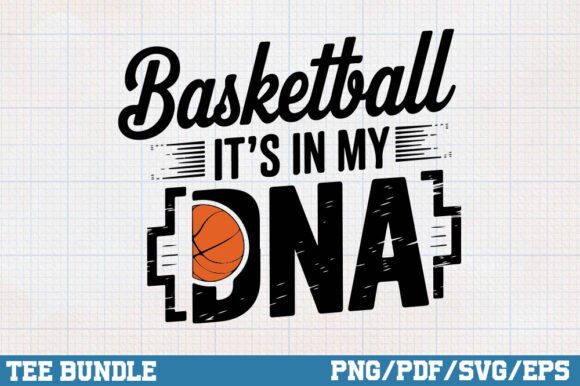
When you first look at In March We Trust the Bracket, the mood is unmistakably confident and playful. It’s not a timid, overly decorative piece—it’s a statement. The design’s personality feels energetic, a perfect visual shout for the excitement of the season. As a designer, I immediately see this belonging on something meant to be worn or used with a bit of swagger. The layout, with its central, assertive text framed by the iconic bracket shape, creates a focal point that’s clear and impactful. The level of detail is balanced; it’s graphic enough to translate beautifully into stitches without becoming a dense, thread-heavy nightmare.
The Natural Project Fit: Where This Design Thrives
I’m picturing this on a mid-weight cotton sweatshirt or a sturdy canvas tote bag. These are the canvases where In March We Trust the Bracket would truly shine. Imagine a custom embroidered tote for a group of friends heading to a game—the design’s scale and boldness would make it a standout, functional piece that feels personal and current. For small business owners and Etsy sellers, this design easily slots into seasonal merchandise: embroidered caps for a local boutique, a simple patch sewn onto a denim jacket, or even a crisp, clean application on a kitchen apron for a sports-themed gift. Its graphic nature means it also works exceptionally well for printable mockups and digital product previews, giving customers a clear idea of the final embroidered product.
Performance in Real-Life Embroidery Situations
Let’s talk about how this embroidery file would perform when the needle actually hits the fabric. On custom apparel like t-shirts, you’d need to consider fabric weight and stabilizer choice carefully, especially if the garment is stretchy. The design’s solid areas would benefit from a good satin or fill stitch, but its open, graphic layout means overall stitch density shouldn’t be overwhelming, which is a plus for lighter fabrics. For a baby item, like a jersey or a simple cotton blanket, scaling it down slightly and using softer thread colors could turn it into a charming, personalized gift.
As an embroidered patch, this design is a winner. Its clear borders and strong shapes would allow for easy finishing and application. For commercial embroidery projects, such as a run of caps for a small shop, the design’s recognizability and clean execution would support brand consistency and customer trust—it looks professional and intentional.
Where to Use With Care: Practical Designer Notes
No design is universally perfect, and a practical review means noting the careful considerations. In March We Trust the Bracket’s success depends on context. On very small hoop sizes, the lettering details need inspection—always test on scrap fabric first. On highly textured fabrics like some towels or thick blankets, the clarity of the bracket shape might soften, so thread color contrast is key. Dark fabric backgrounds require a thoughtful palette choice to maintain that bold impact.
For products needing frequent washing, like apparel, the integrity of the fill stitches in the bracket should be checked for durability. And on curved surfaces like caps, the design’s rectangular nature might require some digitizing adjustments to ensure it sits flat without distortion. These aren’t flaws; they’re just the realities of turning a great graphic into a great finished product.
Affecting Appeal, Value, and Engagement
From a business and craft perspective, this design affects several key areas. Its visual appeal is direct and engaging, which translates to higher perceived product value for handmade items. A cleanly embroidered sweatshirt with this design feels like a premium, thoughtful item, not a generic print. This boosts giftability and recognition. For creative entrepreneurs, it offers a ready-made design asset that can be adapted across products—from holiday gifts to year-round boutique merchandise—creating a cohesive look for a craft business.
The handmade presentation benefits from the design’s clarity; stitches will be distinct, and the final piece will look professionally executed, which builds buyer engagement. Customers can immediately understand and connect with the theme.
Your Next Steps: Before You Hoop the Fabric
Before committing this to a client’s order or your own shop inventory, do your due diligence. Test the provided files—the SVG and EPS are crucial for scaling—on your machine. Check how it renders in both black and white mockups to see its form on light and dark backgrounds. Confirm the licensing terms for the digital embroidery file if you plan to use it for commercial projects or sell finished items. While the product includes versatile file formats ideal for machine embroidery design, always verify the specific compatibility with your equipment and software.
Finally, think about the story your product will tell. In March We Trust the Bracket isn’t just a graphic; it’s a conversation starter stitched into fabric. Whether it’s on a pillow cover in a fan’s home, a cap at a craft fair, or a baby bib as a personalized gift, its success lies in that combination of bold design and your skilled execution. Trust the bracket, but also trust your own process—test, adjust, and stitch with confidence.