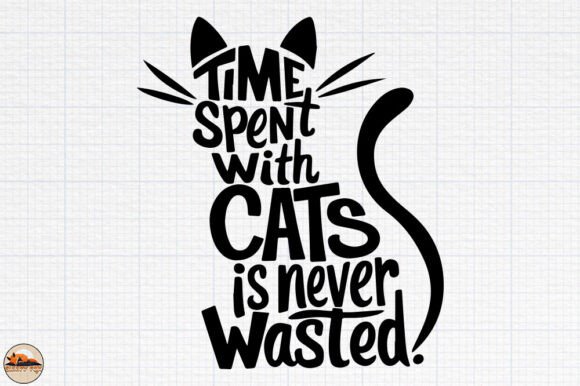
Time Spent with Cats Embroidery Design: A Real-World Review
When I first opened the Time Spent with Cats design, I wasn’t just looking at a graphic. I was looking for a story—a visual personality that would translate through thread and fabric into something people would want to wear, gift, or display. That’s the lens I use for every embroidery file I consider for a real project, whether it’s for a custom client order or my own shop inventory.
The Immediate Mood: Whimsical, Warm, and Instantly Recognizable
The layout here feels playful and cozy. The central, stylized cat surrounded by that soft, circular lettering creates a focal point that’s balanced and inviting. It’s not overly detailed, which is a good sign for embroidery—complex graphics can become muddy when stitched. This one has a clean, modern personality that leans towards trendy but retains a handmade warmth. I immediately thought it belonged on something soft and everyday: a well-loved sweatshirt, a cozy pillow cover, or a canvas tote bag meant for library trips and café visits.
Where This Design Shines in Practical Use
Imagine you’re preparing a custom embroidered tote bag as a birthday gift for a cat-loving friend. This is the kind of design that makes that project a success. The bold, circular statement—“Time Spent with Cats is Never Wasted”—is clear and readable, a crucial factor for embroidered lettering. The cat illustration is stylized enough to stitch cleanly without losing its charm. I’d confidently put this on mid-weight fabrics like cotton totes, denim jackets, or quilted pillow covers. For apparel decorators, it’s a strong candidate for the center chest of a t-shirt or the back panel of a sweatshirt, especially in a size that lets the circular motif breathe.
For small business owners and Etsy sellers, this design offers versatility. It could anchor a whole product line: think embroidered kitchen towels for a quirky kitchen collection, patches for backpacks, or even simple framed hoop art for nursery decor. The provided file formats—PNG, EPS, SVG, PDF—are a practical set. The high-resolution PNG is print-ready for mockups, which is invaluable for creating professional-looking listings before you even stitch the first sample. That’s a key asset for creative entrepreneurs selling digital products or finished goods online.
A Note on Commercial Projects and Brand Consistency
If you’re running a craft business centered around pets or humor, this design could become a signature piece. Its visual appeal is specific enough to attract a niche audience—cat enthusiasts—which builds stronger buyer engagement than generic motifs. When stitched well on a high-quality garment, it elevates the perceived value of the finished product. It feels like a complete thought, not just a random graphic, which enhances customer trust in your handmade presentation.
Careful Considerations Before You Hoop the Fabric
While the design is friendly, it demands some practical forethought. The circular layout and the lettering mean you need to be mindful of your hoop size. A too-small hoop could cramp the design and distort the nice, round shape. I’d recommend testing it on scrap fabric first at your intended size to check the stitch density, particularly in any potential fill stitch areas on the cat. On textured fabrics like some sweaters, or on very dark fabric where you might use a light thread, you’ll want to use proper stabilizer to ensure the lettering stays crisp.
Also, consider the scale for smaller items. Embroidering this on a baby bib or a cap requires significant size reduction, which could make the finer details in the lettering challenging. It’s likely better suited to larger, flat surfaces. For items needing frequent washing, like apparel, ensure your stitch settings are secure—a well-digitized file (which I assume from the multiple vector formats) helps, but always check small details like the connection points in the lettering.
From Digital File to Stitched Product: A Designer's Checklist
My process before committing a design like Time Spent with Cats to a client project always involves a few steps. Here’s what I’m thinking through:
- Test the Contrast: Run a black-and-white mockup. How does the silhouette hold up? This tells me if the design will be recognizable even if I change thread colors.
- Background Check: Visualize it on both light and dark fabric backgrounds. The circular positive space might pop differently on each.
- Stitch Clarity Review: Look at the design and pinpoint areas that could become dense—like where the cat’s ears meet the circle. This informs my stabilizer choice.
- Project Matching: Is this for a personalized gift, like an anniversary pillow cover? Or for commercial embroidery on a batch of tote bags for my shop? The answer changes my approach to material and time investment.
- License Confirmation: Always, always verify the licensing terms of the digital embroidery file before selling finished items. The product description doesn’t specify this, so that’s a necessary step for any craft business or digital product seller.
The Final Impression: A Design That Feels Ready to Stitch
Reviewing Time Spent with Cats from the perspective of real embroidery work, I see a graphics asset with strong practical potential. Its mood is consistent and marketable. Its layout is embroidery-friendly without being simplistic. It fits naturally into the workflows of hobbyists making gifts and entrepreneurs building a product range. The key, as with any design, is to marry it with the right fabric, the right scale, and the right stitching preparation. When you do that, this isn’t just a digital file—it becomes a charming, stitched statement that people will genuinely want to hold, wear, and share. That’s the true test of a design’s worth for makers, and this one passes with a warm, whimsical confidence.