Beyond the File: A Designer's Review of the "Proud to Be Unique" Design
When a design bundle like the Proud to Be Unique, Autism T-Shirt PNG lands in my project folder, my first question isn’t about the file formats. It’s about the story it tells and the stitch it will make. As someone who turns digital files into tangible, often heartfelt, handmade products, I look at a design from the end of the needle. This review isn’t about specs; it’s about imagining this design embroidered onto a child’s sweatshirt, a parent’s tote bag, or a small shop’s best-selling cap.
The First Impression: A Design That Speaks Before It Stitches
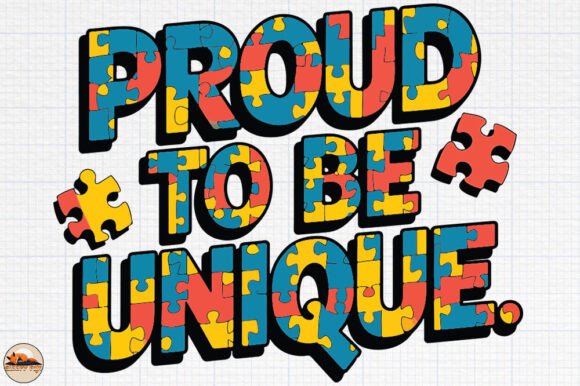
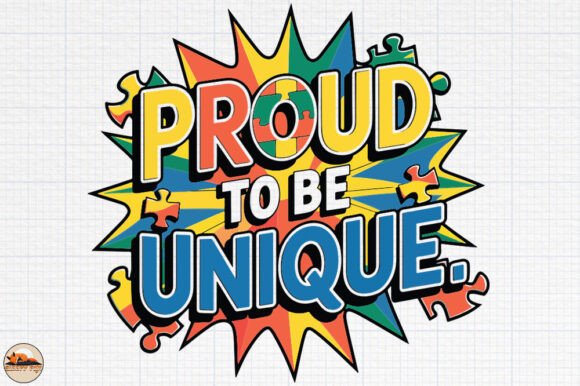
Opening the design, the immediate mood is affirming and gentle. The phrase “Proud to Be Unique” carries a weight of positivity, and the inclusion of “Autism” grounds it with specific, meaningful recognition. Visually, it’s not a loud, graphic shout; it feels like a calm, proud statement. The layout, as presented in the high-resolution PNG, suggests clean lines and a clarity that is crucial for embroidery. This isn’t a overly detailed illustration; it’s typography with purpose. Its personality is dignified and approachable, which tells me it belongs naturally to projects that are personal, gift-oriented, and community-focused.
A Natural Fit for Projects That Connect
My mind immediately goes to a custom embroidered tote bag for a therapist or teacher, a soft hoodie for a teen, or a subtle, beautiful patch on a backpack. The design’s theme lends itself to personalized gifts with profound meaning—think holiday gifts for supportive families or wedding gifts for a couple who champions neurodiversity. For small business owners and Etsy sellers in the niche of awareness apparel, this design could become a core part of their merchandise, offering something beyond generic slogans. It has the potential to build customer trust because it speaks directly to a lived experience with respect.
From Digital File to Stitched Fabric: Real-Life Performance
How will this embroidery design actually perform when the machine starts humming? Let’s walk through some scenarios.
On a custom apparel item like a cotton t-shirt or a cozy sweatshirt, the clean lettering should translate well into satin stitches or fill stitches, provided the embroidery file is well-digitized. The sentiment is powerful enough that even on a simple tea towel or apron in a home kitchen, it becomes a daily reminder of pride and acceptance. For baby clothes or nursery decor, it’s a gentle declaration from a parent, though scale becomes critical here—you’d likely use it as a smaller accent.
Consider it as an embroidered patch. This could be incredibly versatile: ironed onto a denim jacket, sewn onto a blanket, or applied to a cap. As a patch, it becomes a mobile symbol, and the design’s message suits that portable, shareable format perfectly. For craft fair products or boutique branding, having a sample item like this embroidered tote bag displayed can engage buyers emotionally; it shows thoughtfulness, not just trendiness.
Even in digital product previews and printable mockups, the provided PNG’s high resolution means you can create clean, professional-looking visuals for your online listings, which is a boon for digital product sellers.
Where Careful Consideration is Key
No design is universally perfect for every application, and a practical review must note where extra attention is needed. The phrase has some longer words and smaller lettering elements. On very small hoop sizes, the clarity of “Unique” or “Autism” could be compromised if the stitch density is too high or the digitizing isn’t optimized for scale. Always test the design on scrap fabric first, especially if you plan to run it on textured fabrics like sweaters or on stretchy fabric like thin t-shirts.
Dark fabric requires thoughtful thread color contrast. A white or bright satin stitch might pop, but you might also consider a layered look with an applique base if the design supports it. On curved surfaces like caps, the text’s linear layout might need stabilization and proper hooping to prevent distortion. Also, for items destined for frequent washing—like children’s wear or kitchen towels—consider a robust stabilizer and quality thread to ensure the message lasts as long as the sentiment.
A crucial note: this design, with its specific wording, is ideally suited for projects directly connected to autism awareness and support. Using it for generic “unique” messaging might feel off-brand. Its power is in its specificity.
The Impact on Your Craft and Business
Choosing to work with this design affects more than just the stitch count. It influences visual appeal through its dignified tone. It demands stitching clarity to honor that dignity—blurry letters would undermine the message. For a craft business, offering this design as a finished product can elevate your shop’s professionalism by showing you handle meaningful themes with care.
Its giftability is high. An embroidered pillow cover or a delicate piece on a baby embroidery item becomes a cherished heirloom. For commercial embroidery projects, perhaps for a supportive organization, it adds brand consistency with a human touch. Ultimately, it can drive buyer engagement because it connects on a personal level; customers are often looking for products that resonate with their identity or values.
Practical Notes from the Worktable
Before you commit this design to a final project, here’s my checklist, drawn from routine practice.
- Test, test, test. Run the embroidery file on similar scrap fabric to your target item. Inspect the small details and any tight corners.
- Check the thread color palette. Does it need bright contrast, or would a softer, pastel scheme match the gentle mood?
- Review the stitch density in your digitized file. Too dense on a lightweight fabric can cause puckering.
- Confirm your hoop size can accommodate the design at the size you want without compromising legibility.
- Create simple black and white mockups. How does it look as a stark graphic? This helps plan for light and dark fabric backgrounds.
- Use the proper stabilizer for your chosen fabric. This is non-negotiable for clean results.
- Most importantly: confirm licensing. The product description lists the files you receive, but before selling finished items or digital products, ensure your use aligns with the designer’s terms. Does it allow for commercial use of the embroidered goods? Always verify.
Remember, the provided bundle—PNG, SVG, PDF, EPS—gives you flexibility for various craft business needs, from digital previews to potential vector adjustments. But the real magic happens when you translate those files into stitches on fabric.
A Final Thought for Makers
The Proud to Be Unique, Autism T-Shirt PNG design is more than a set of graphics in the Crafts category. It’s a potential centerpiece for projects that carry emotional weight. For embroidery designers and makers, it offers a chance to create something that feels genuinely meaningful. Whether you’re preparing a custom order for a client, stocking your Etsy shop with awareness-themed items, or making a gift for someone you love, approach this design with the same care its message implies. That attention, from your digitizing setup to your final stitch, will ensure the finished product truly embodies being proud, and truly being unique.