Proud to Be Unique Autism Awareness Design Review
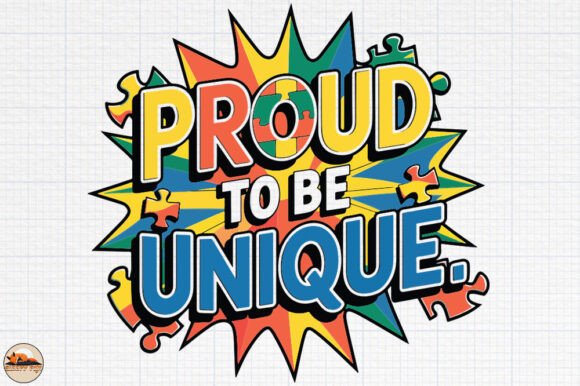
When a new design lands on my desk, my first question is always, “How will this look stitched out?” Not on a screen, but on real fabric, in a real hoop, with real thread. The Proud to Be Unique, Autism Awareness PNG design file immediately struck me as something with a clear purpose and a warm heart. This isn’t just a graphic; it’s a message waiting to be embroidered.
A Design That Speaks Before It Stitches
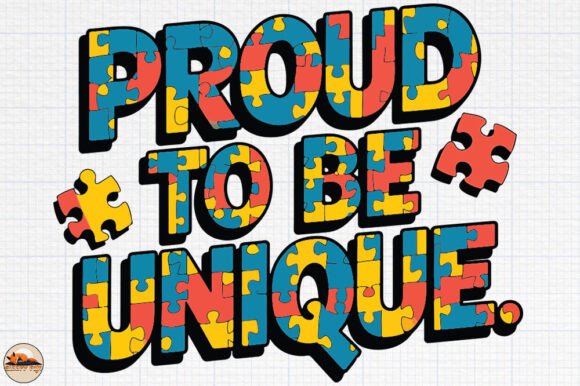
The layout feels balanced and intentional. The phrase “Proud to Be Unique” is central and confident, with the Autism awareness elements integrated in a way that feels supportive, not secondary. The mood it creates is one of celebration and quiet strength. This isn’t a loud, flashy statement; it’s a dignified affirmation. From a purely visual perspective, the detail level looks manageable for embroidery—there’s enough character to be interesting, but the shapes appear clean enough to translate well into satin and fill stitches. My mind instantly went to a soft, high-quality cotton tote bag or a cozy fleece sweatshirt. It feels like a design destined for items that are held close, used daily, or given as a meaningful gift.
Where This Design Finds Its True Home
I can picture this design excelling in several real-life embroidery situations. For a custom apparel project, like a well-made hoodie, it would become a personal signature piece. On a baby onesie or a child’s tee, it’s a gentle, loving message from a parent. Stitched as a standalone embroidered patch, it could be applied to a backpack or a journal, offering versatility. For small business merchandise, such as a boutique’s line of awareness-themed tea towels or pillow covers, it adds authentic value. In my own work, I often think about how a design will photograph for an Etsy listing or a printable mockup. The clean, positive nature of this design would present very well in product photos, instantly communicating its intent to potential customers or gift recipients.
Navigating the Practicalities of Stitching It Out
While the design’s personality is broad, its successful application requires some practical considerations. The provided file bundle—with PNG, SVG, PDF, and EPS—is a solid foundation. The high-resolution PNG at 4500×5400 and 300 dpi is excellent for digital product previews and scaling decisions. However, for machine embroidery, the critical step is converting or using these vectors to create a proper embroidery file with defined stitch types. That’s where your skill as a designer or decorator comes in.
There are a few scenarios where I’d proceed with extra caution. If you’re thinking of a very small hoop size, perhaps for a cap or a delicate baby item, you must carefully check the scale of the lettering and details. Tiny, dense script can become blurry. On textured fabrics like some sweaters, or stretchy fabrics like certain t-shirts, the clarity of the fill areas might need extra stabilizer support. Dark fabric backgrounds would require a thoughtful thread color selection plan to ensure the message pops with the same warm feeling it has on a light background.
The Designer’s Bench Notes
Before I ever stitch a design for a client or my shop, I follow a personal checklist. For the Proud to Be Unique, Autism Awareness PNG design, here’s what I’d do:
- Run a test stitch on scrap fabric identical to my final project fabric. This reveals true stitch density and any potential puckering.
- Check the contrast by mocking up the design in simple black and white to see how the elements hold their form.
- Compare a light and dark fabric background digitally to plan my thread palette.
- Inspect the small details in the awareness symbols at my intended output size to ensure they’ll stitch cleanly.
- Most importantly, confirm the licensing terms for this design file before using it in any commercial embroidery project or selling finished products. The product category is Crafts and the type is Graphics, but the specific license for commercial use is something you must verify.
How This Embroidery Translates to Value
A design like this, when embroidered well, does more than decorate a surface. It enhances the product value by embedding a meaningful story. For a customer, an embroidered “Proud to Be Unique” tote bag isn’t just a bag; it’s a statement they choose to carry. This builds customer trust and engagement because you’re offering something that resonates on a personal level. The handmade presentation of embroidery adds a layer of care and craftsmanship that a printed graphic often lacks, making it feel more like a personalized gift.
For creative entrepreneurs and Etsy sellers, using this design consistently across a line of items—say, aprons, pillow covers, and kitchen towels—can create subtle brand consistency around themes of support and individuality. The visual appeal is clear and positive, which aids in professionalism and buyer recognition. In a crowded market, products that clearly communicate their purpose and are executed with quality stitching stand out.
A Real Project Scenario: The Embroidered Tote
Let’s walk through a typical project. I have a client who wants a special gift for a friend. They’ve chosen a natural canvas tote bag. We select the Proud to Be Unique, Autism Awareness PNG design. I scale it to fit nicely on the panel, ensuring it’s not too large to become cumbersome nor too small to lose impact. I choose a thread palette that’s vibrant but not harsh—perhaps some softer blues and a confident, but not aggressive, font color. Using a sturdy stabilizer for the canvas, I stitch it out. The result is a functional, beautiful bag that carries a message every time it’s used. The client’s reaction is joy, because the gift feels considered and crafted. That’s the power of a good design file translated into real embroidery work.
In conclusion, the Proud to Be Unique, Autism Awareness PNG design is a strong candidate for meaningful embroidery projects. Its aesthetic is aligned with its message, and its structure appears adaptable to various applications. Your success with it will hinge on those practical embroidery steps: testing, planning for your specific fabric and scale, and ensuring your use aligns with the design’s licensing. When handled with that care, it can become a wonderful asset for your craft business, your personalized gift making, or your client’s custom apparel needs.